
Hanuman: The Eternal Devotee
Stories, prayers and lessons from one of the most loved figures in Indian devotional tradition.
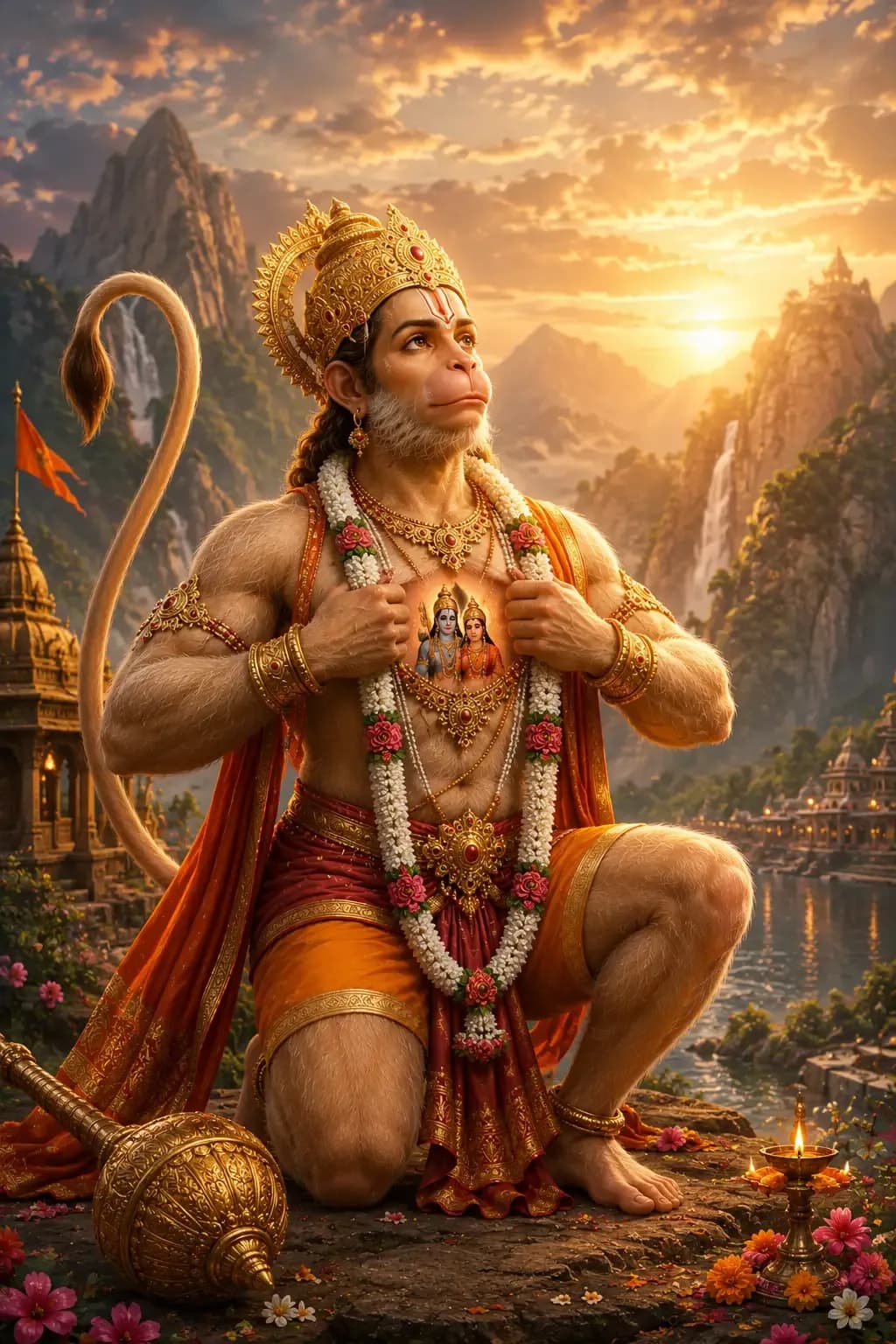
Hanuman enters a child’s imagination early — leaping oceans, lifting mountains, kneeling before Rama with a devotion so complete it becomes strength. For elders, he is protector, healer of troubles, and companion in morning prayer. Across Karnataka homes, temples, and phone wallpapers, his image is not rare. It is intimate.
To call Hanuman only a “monkey god” is to miss the theology people actually live with: courage without cruelty, service without smallness, power that bows.
Devotion as energy
In the Ramayana traditions told and sung here, Hanuman’s greatness is measured by loyalty. He does not compete with Rama; he completes a purpose. That idea travels well into ordinary life. Students whisper his name before exams. Travellers touch a small image on the dashboard. Families light a lamp on Tuesdays or Saturdays and feel the day steady itself.
Temples dedicated to Hanuman — from famous kshetras to neighbourhood shrines under peepal trees — share a mood of accessibility. You can arrive tired. You can arrive unsure. The language of worship is often direct: help me be brave; help me keep my word; help me carry what feels too heavy.
Stories, prayers and lessons from one of the most loved figures in Indian tradition still begin with a simple posture: hands together, heart forward.
Stories that teach without lecturing
Children learn the flight to Lanka as adventure; adults hear it as focus. The mountain of herbs becomes a lesson in refusing half-measures. The burning of Lanka, told carefully, becomes a story about consequence and mission, not spectacle alone. Different tellers emphasise different virtues — humility in the court of Rama, ferocity against injustice, tenderness toward Sita in captivity.
Kannada oral and print cultures have carried these episodes for generations through harikathe, theatre, comics, and grandmotherly bedtime digressions. The details shift; the emotional core holds. Hanuman is the friend who shows up. Parents choose the version their child can hold; scholars chase lineages of telling. Both approaches keep him near.
Prayer, image, and daily life
Chalisa recitations, stotras, and quiet japa coexist with visual culture: saffron flags, gym posters, lock-screen art, festival processions. Some devotees prefer serene meditation images; others prefer the leaping, mountain-bearing form. Both are sincere. Devotion here is allowed to look like the devotee’s need — which is one reason the figure travels so easily from temple to phone screen without losing warmth.
On Kannada Prapancha, Hanuman content sits beside wallpapers and children’s stories for a reason. Faith in this landscape is not sealed inside specialist books. It shares the shelf with food memories and folk theatre. Treating Hanuman as “the eternal devotee” is a way of honouring a figure who makes spirituality feel usable — something you can carry into traffic, illness, and work. That usability is why he remains beloved across generations that otherwise disagree about almost everything else.
Explore related pieces on this site — shorter introductions, wallpaper art, children’s tellings — as doors into the same presence. Devotion does not require a single format. It requires sincerity. Return when you need courage; the stories will still be here.
If you light a lamp tonight, you do not need a perfect philosophy. You need attention. Hanuman’s enduring gift to everyday believers is the reminder that strength and surrender can live in the same heart, and that love, when steady, can move mountains — sometimes literally, in the old stories, and sometimes only as far as the next difficult hour. That is enough reason to keep telling him, keep listening, and keep returning.