
A Taste of Karnataka: 12 Foods That Feel Like Home
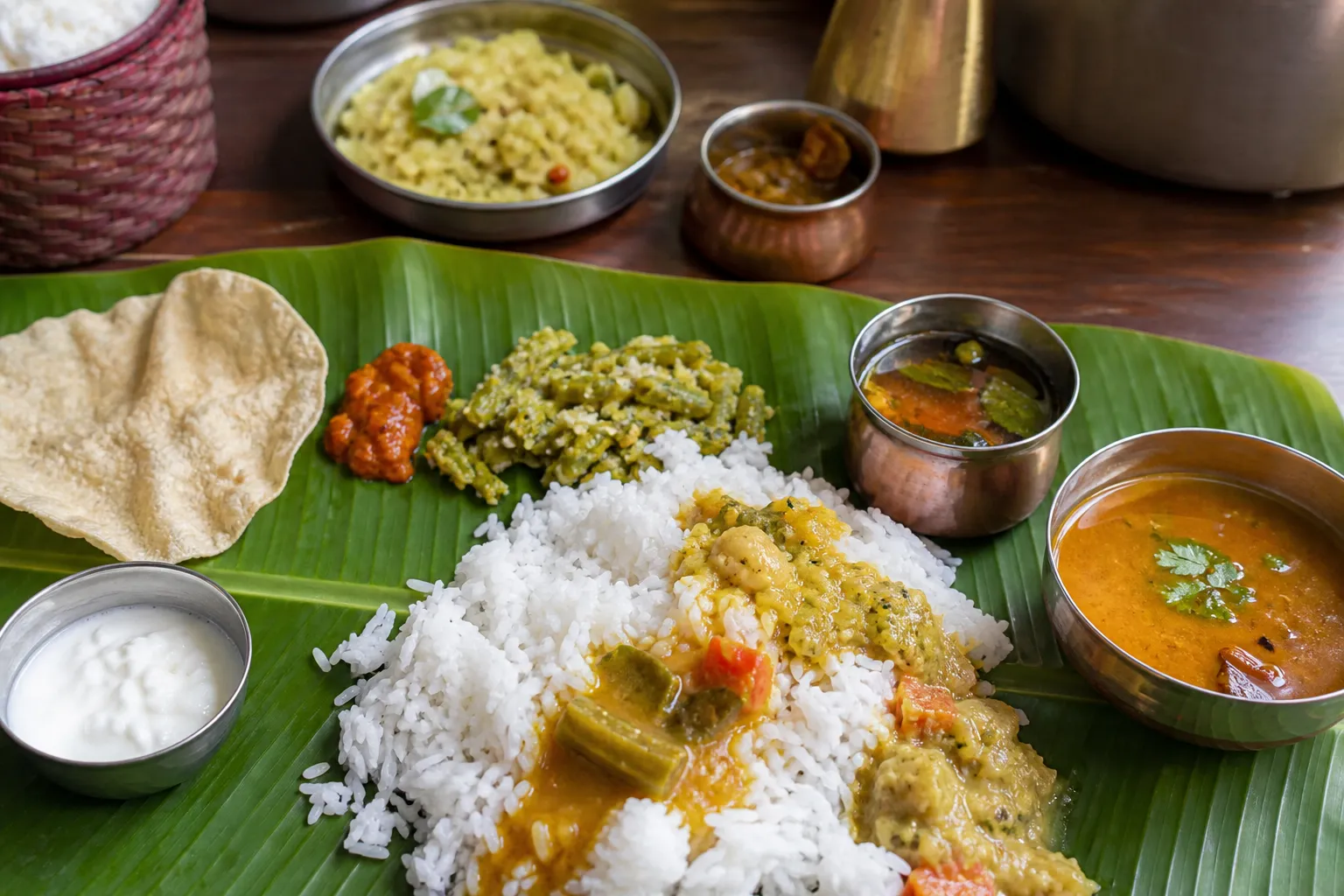
Ask someone what Karnataka tastes like and you will not get one answer. You will get a map. Coastal sourness. Malnad green. North Karnataka heat. Mysuru sweetness. Temple-town prasada. Hostel mess improvisations. A grandmother’s stubborn refusal to change a recipe that already works.
This is not a ranked list of “best” dishes. It is a reminder of twelve flavours and forms that make people say, without irony, that they feel at home.
Mornings and steam
Thatte idli arrives like a soft landscape on a plate, begging for pudina chutney and a little ghee. Kesari bath and khara bath — the classic pair — still argue with each other in the best way: sweet against savoury, semolina against spice. Filter coffee is not merely a drink; it is a tempo. The metal tumbler teaches you to cool, pour, and wait.
In many homes the morning plate is simpler still: uppittu with a squeeze of lemon, or avalakki softened with onion and green chilli. These are not restaurant inventions. They are weekday courage.
The midday plate
A proper Karnataka meals often means rice as centre of gravity — white rice, or ragi mudde where the finger-millet ball asks for patience and saaru. Bisibelebath refuses to be neat; its generosity is the point. Sambar in this state has regional moods, and people will defend their mother’s version with scholarly passion.
Jolada rotti in the north, with ennai kathrikayi or a sharp chutney powder, shifts the whole conversation toward sorghum and open fire. Coastal tables bring fish fries, coconut gravies, and the bright lift of bilimbi or tamarind. One state, many lunch bells.
Food memory is a kind of citizenship. You belong where your hunger recognises the smell.
Snacks, sweets, and the in-between
Mangalore buns, soft and faintly sweet, turn tea into an occasion. Chiroti and mysore pak appear at festivals and refuse to stay only there. Obbattu / holige — whether coconut or dal — is celebration folded into dough. Street evenings bring masala dosa in a dozen accents, each stall convinced of its own correctness.
Then there are the quiet heroes: soppu palya, tondekayi palya, a bowl of curd rice when the day has been too much. Home food is not always photogenic. It is reliable. That reliability is why migrants pack packets of chutney pudi in their luggage and call it practicality when it is also longing.
Twelve doors, one kitchen
If you want a simple tasting map, begin here: thatte idli; filter coffee; bisibelebath; ragi mudde with saaru; jolada rotti; neer dosa; kori rotti or a coastal fish fry; bisi khara bath; mangalore buns; holige; mysore pak; and curd rice with a tempering that crackles. Swap freely. Argue kindly. Add your street’s secret.
Karnataka’s food culture is not a museum of dishes. It is a living negotiation between season, caste kitchens, restaurant fashion, and whatever the local market had this morning. To taste it well is to listen — to the hiss of mustard seeds, to the aunt who says “a little more hing,” to the friend who insists the best dose is not where the crowd is.
If you cook even one of these dishes this month, cook it with a story attached — who taught you, which town’s version you follow, what you refuse to “improve.” Food culture survives as practice, not as aesthetic plating alone. Write the recipe down for someone younger; that is how a kitchen becomes an archive.
Bring appetite and humility. The plate will do the rest. Karnataka’s kitchens have been negotiating difference for centuries; your table can join that negotiation one meal at a time.